Check out this snippet from a recent interview done for “The Invisible” photo book…
In general what would you say your struggles are?
“I have a lot of struggles like everyone. It all just depends. Mine feel different though, like a stronger feeling than someone else may have. The majority of my mental struggles are pretty common, but there are a select few that I feel may not be so common. Like I don’t know, I guess codependency would be one. Pretty much to everyone I know I am codependent on, but I feel like it’s a big issue for me because it’s everyday. Whenever I interact with someone I feel the way they feel. If someone is sad and I am interacting with him or her, it puts me in a sad mood. In turn, it makes me feel like I have to fix that sad mood. It’s tolling, I guess. It’s stressful and tolling on my mental health.”
During the darkest points of your struggles, what were your emotions and feelings?
“I would have to say when I was coming to the realization that my life had to change and my alcoholism had to stop was the darkest point in my life. Being a kid at heart, not being able to drink was unfeasible. I told myself that I might be able to do it, but not for very long. I didn’t recognize my darkest points because I was so drunk and the emotions that I felt with those points were loneliness. The fear of who would want to hang out with me and what everyone who I interact with was going to think was huge. I have to tell people I am an alcoholic.”
Do you think there is a social stigma to mental health and if so, what do you think it is?
“The main stigma that people throw around is, “that person is crazy”. The big one is, “watch out they are crazy.” A lot of these people being judged have gone through so much with family issues and relationship issues that they do have situational mental problems. They are judged too much and I don’t think that’s right. Most don’t get help and that just makes it worse. They don’t know to get help.”
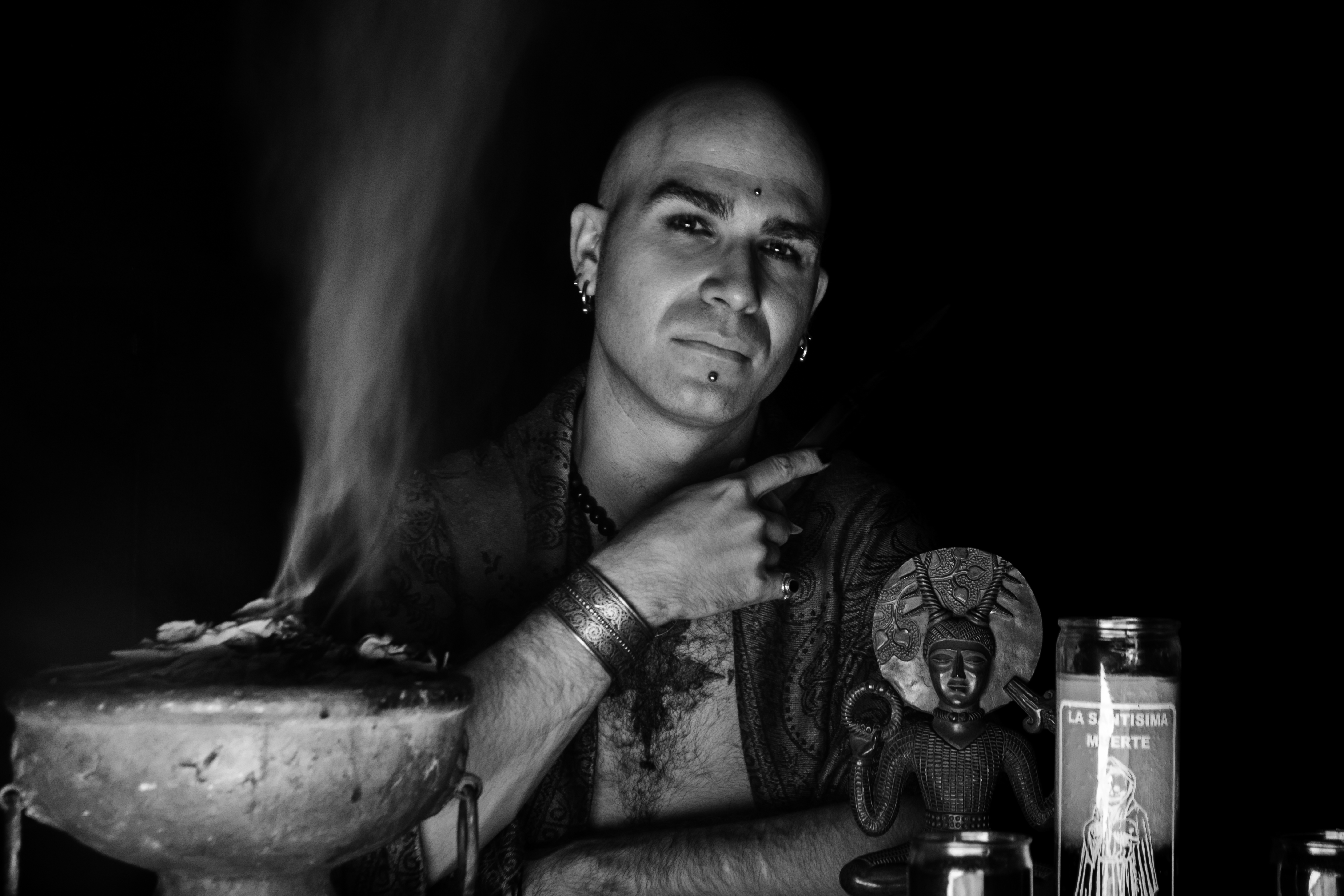
 The Invisible Book Project