help

National Suicide Prevention Week 2015

It has been a long while since I have posted. In light of National Suicide Prevention Week I want to say The Invisible Book Project is still a huge work in progress. Along this awesome journey, I have met a lot of brave people out there willing to share their stories and struggles.

Whether it is gender transitions, religion, or substance struggles; even if those who have shared choose to keep it anonymous or not, they are the face of this struggle against the stigmatized perspectives of not only suicide and depression but also inequality and judgment by society.

This stigma makes life that much harder for us! We are scared to be seen by others as sick, mentally ill people. So many don’t want to get out of the house and deal with the day ahead and far too many are hiding to cover their struggles from employers, coworkers, even friends and family in fear of being judged.

I have overlooked what seems to be a recurring flaw in The Invisible’s project; no-motivation and fear of what others think – the ugly robust roots of stigmatized mental health –  and how that factors into reaching people who deep down want to share their story and help all of us.

I am always open to listen to anyone’s story, not just for The Invisible Book, but for any reason what-so-ever. Don’t melt away into thin air and become invisible. Just talk. Just sharing this post is a huge contribution and can help so many of us out there.

#theinvisiblebookproject #reduceit #stopsuicide #passiton
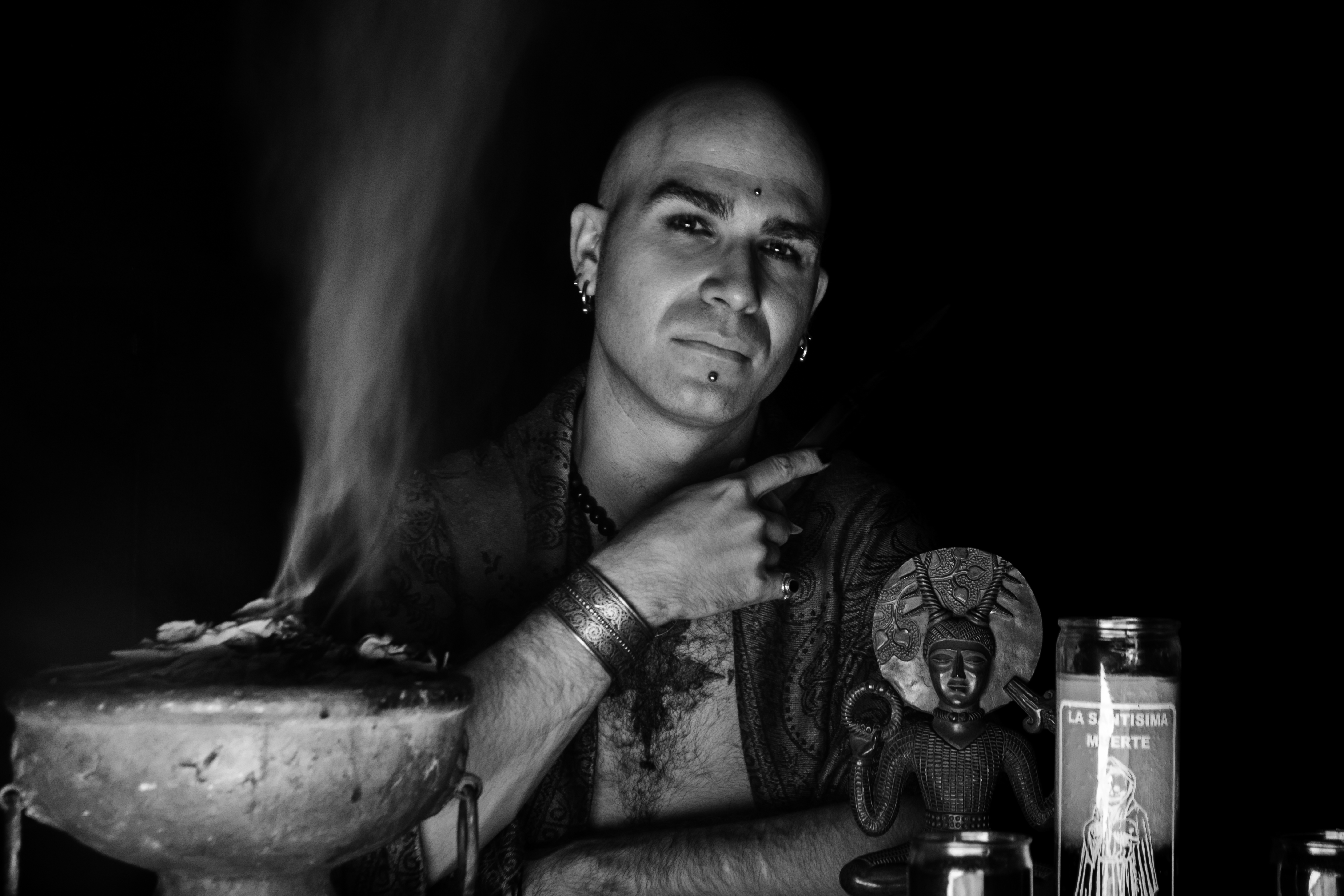
Words from contributor Shea Bile:

Shea Bile

When a therapist bridges that impassable gap, that space between doctor and patient, and finds, if just for a moment, a means to connect to the heart of he or she that she is addressing, it is not unlike a poet reciting their greatest work for the very first time. Nor is it unlike an ancient Prophet or Seer, the illuminating light reflected off their distant expressions, as if they are digging deep within themselves to understand what lies deep within you.

For the longest time, I didn’t believe these artists existed; but time and again, I have seen with my own eyes the true holiness inherent in the hearts of those who want to change the world for the better, and struggle passionately to connect to others in order to find that peace within themselves.

Unparalleled human beauty.

Thank you to the OC Register!

Check out our article here:

http://www.ocregister.com/articles/kemp-626965-depression-book.html

Sneak Peak #2 is here!

Check out this snippet from a recent interview done for “The Invisible” photo book…


In general what would you say your struggles are?

“I have a lot of struggles like everyone. It all just depends. Mine feel different though, like a stronger feeling than someone else may have. The majority of my mental struggles are pretty common, but there are a select few that I feel may not be so common. Like I don’t know, I guess codependency would be one. Pretty much to everyone I know I am codependent on, but I feel like it’s a big issue for me because it’s everyday. Whenever I interact with someone I feel the way they feel. If someone is sad and I am interacting with him or her, it puts me in a sad mood. In turn, it makes me feel like I have to fix that sad mood. It’s tolling, I guess. It’s stressful and tolling on my mental health.”

During the darkest points of your struggles, what were your emotions and feelings?

“I would have to say when I was coming to the realization that my life had to change and my alcoholism had to stop was the darkest point in my life. Being a kid at heart, not being able to drink was unfeasible. I told myself that I might be able to do it, but not for very long. I didn’t recognize my darkest points because I was so drunk and the emotions that I felt with those points were loneliness. The fear of who would want to hang out with me and what everyone who I interact with was going to think was huge. I have to tell people I am an alcoholic.”

Do you think there is a social stigma to mental health and if so, what do you think it is?

“The main stigma that people throw around is, “that person is crazy”. The big one is, “watch out they are crazy.” A lot of these people being judged have gone through so much with family issues and relationship issues that they do have situational mental problems. They are judged too much and I don’t think that’s right. Most don’t get help and that just makes it worse. They don’t know to get help.”